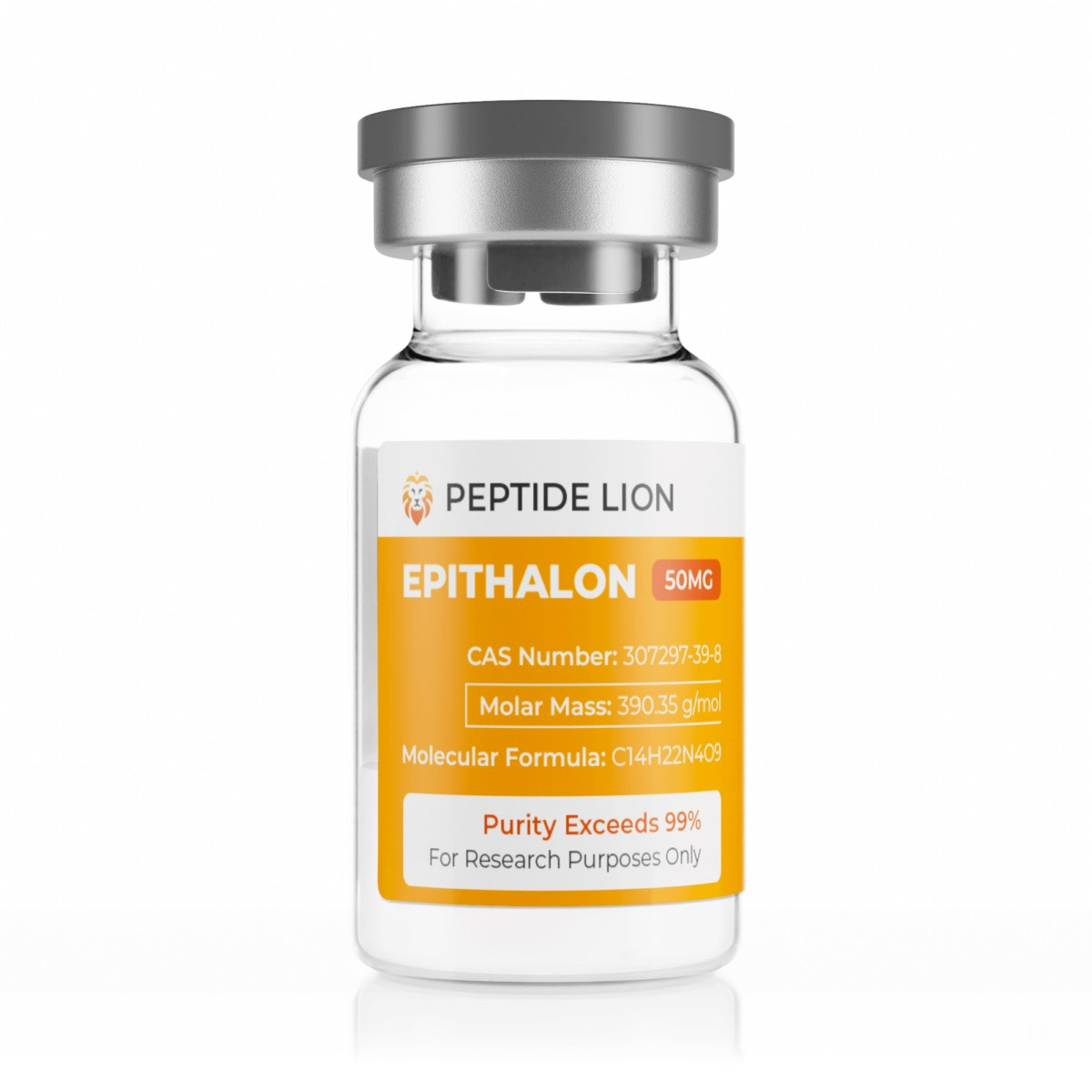
Peptides, short chains of amino acids, have garnered significant attention in various fields, including biotechnology, pharmaceuticals, and fitness. Their applications range from therapeutic agents to performance enhancers. As the demand for peptides continues to rise, so does the number of suppliers offering these products. This article explores the current landscape of peptides for sale, examining supplier ratings and the factors influencing consumer choices in this burgeoning market.
Understanding Peptides and Their Applications
Peptides are vital components in biological processes, serving as hormones, neurotransmitters, and signaling molecules. In recent years, the synthetic production of peptides has become more accessible, leading to a surge in their availability for research and commercial purposes. Common applications include:
- Therapeutic Uses: Peptides are used in developing medications for various conditions, including diabetes, cancer, and cardiovascular diseases. Peptide-based drugs often exhibit fewer side effects compared to traditional pharmaceuticals.
- Cosmetic Industry: Peptides are increasingly incorporated into skincare products due to their ability to promote collagen production and improve skin elasticity.
- Fitness and Bodybuilding: Athletes and bodybuilders are drawn to peptides for their potential to enhance muscle growth, fat loss, and recovery. Popular peptides in this sector include growth hormone secretagogues and insulin-like growth factor (IGF) analogs.
The Growing Market for Peptides
The market for peptides is expanding rapidly, driven by advancements in peptide synthesis technology and a growing understanding of their therapeutic potential. According to industry reports, the global peptide therapeutics market is expected to reach several billion dollars in the coming years. This growth has led to an influx of suppliers, each vying for a share of the market.
Evaluating Suppliers: The Importance of Ratings
With numerous suppliers offering peptides, consumers face the challenge of discerning quality and reliability. Supplier ratings play a crucial role in guiding purchasing decisions. Factors influencing supplier ratings include:
- Product Quality: High-quality peptides are essential for both research and therapeutic applications. Consumers often rely on third-party testing and certifications to assess product purity and potency.
- Customer Service: Responsiveness and support from suppliers can significantly impact consumer satisfaction. Suppliers that provide clear communication and assistance tend to receive higher ratings.
- Shipping and Delivery: Timely delivery is critical, especially for researchers and practitioners who rely on peptides for ongoing projects. Suppliers with efficient shipping processes often garner positive reviews.
- Pricing: Competitive pricing is a significant factor for many consumers. However, the cheapest option is not always the best, as lower prices may correlate with lower quality.
- Reputation and Reviews: Online reviews and testimonials can provide valuable insights into a supplier’s reliability. Platforms such as Reddit, specialized forums, and dedicated review sites often feature discussions about various suppliers.
Analyzing Supplier Ratings: A Case Study
To illustrate the dynamics of supplier ratings, we conducted a case study of five popular peptide suppliers. Each supplier was evaluated based on the aforementioned factors, and their ratings were aggregated from various online sources.
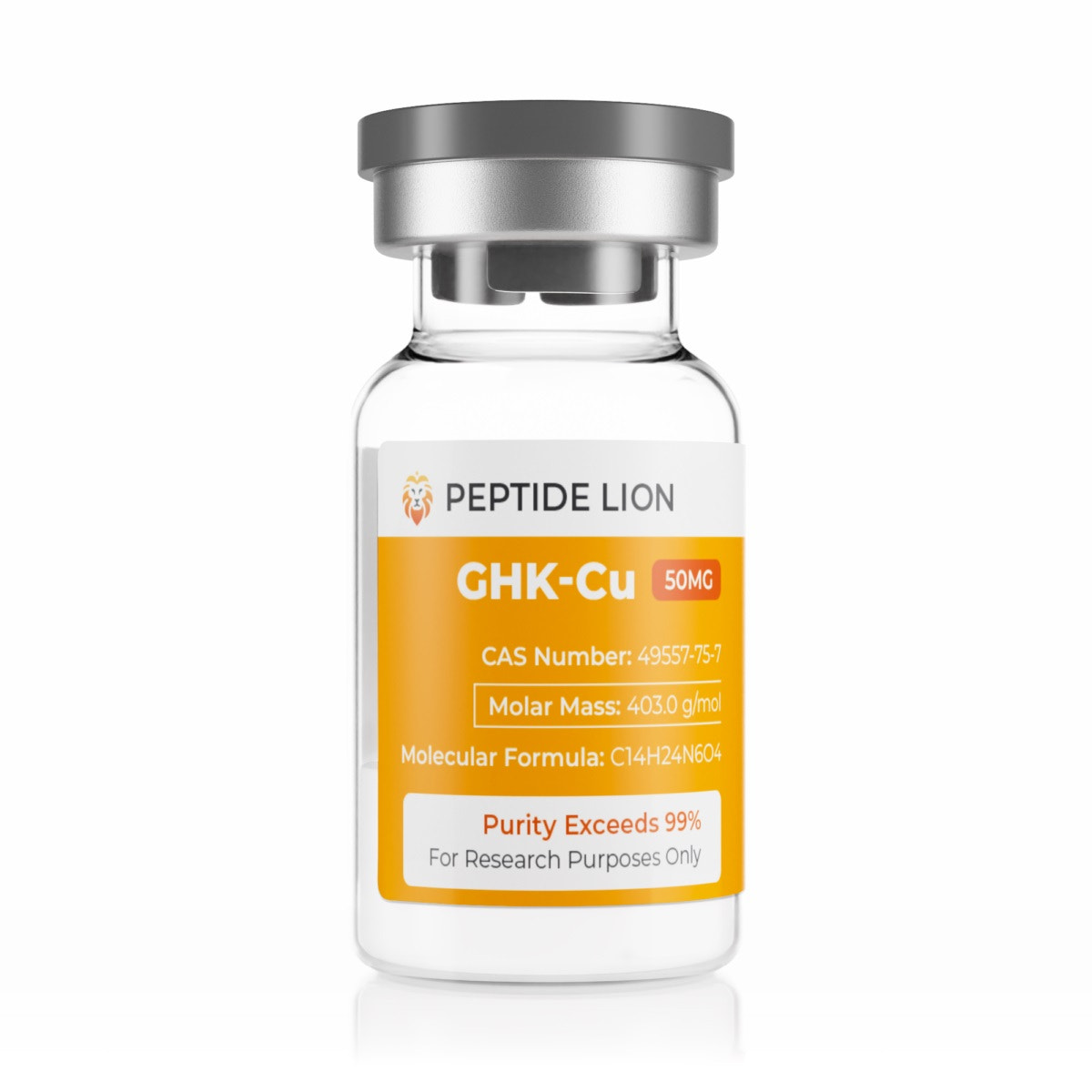
- Supplier A: Known for its extensive range of peptides, Supplier A boasts a strong reputation for product quality. Customers frequently praise the purity of their peptides, supported by third-party testing. Their customer service is responsive, and shipping is prompt. Overall, Supplier A maintains a high rating, often cited as a go-to source for researchers.
- Supplier B: This supplier offers competitive pricing but has received mixed reviews regarding product quality. Here’s more information in regards to Regulatorypeptide look at our page. Some customers report issues with peptide potency, leading to lower ratings. However, their customer service is commendable, providing support for inquiries and issues.
- Supplier C: With a focus on the cosmetic market, Supplier C has carved a niche for itself. Their peptides are well-regarded for skincare applications, and customers appreciate the educational resources provided on their website. Supplier C enjoys a solid reputation and favorable ratings, particularly among beauty professionals.
- Supplier D: This supplier specializes in fitness peptides and has gained popularity among bodybuilders. While their product range is extensive, some customers have raised concerns about shipping delays. Despite this, their product quality is generally well-reviewed, and they maintain a moderate rating.
- Supplier E: Emerging as a new player in the market, Supplier E has quickly gained attention for its innovative peptide formulations. However, as a newer supplier, they have fewer reviews, making it challenging to assess their reliability fully. Initial feedback has been positive, but potential customers are advised to proceed with caution until more reviews accumulate.
Navigating the Peptide Market: Tips for Consumers
For consumers looking to purchase peptides, navigating the market can be daunting. Here are some tips to ensure a positive experience:
- Research Thoroughly: Before making a purchase, conduct thorough research on potential suppliers. Look for reviews across multiple platforms and consider the overall consensus on product quality and customer service.
- Seek Third-Party Testing: Opt for suppliers that provide third-party testing results, ensuring the peptides meet quality standards.
- Engage with the Community: Online forums and social media groups can be valuable resources for gathering insights and recommendations from experienced users.
- Start Small: If trying a new supplier, consider placing a smaller order initially to assess product quality and service before committing to larger purchases.
- Stay Informed: The peptide market is continually evolving. Staying informed about new suppliers, products, and industry trends can help consumers make educated decisions.
Conclusion
The market for peptides is thriving, driven by their diverse applications and increasing consumer interest. As the number of suppliers continues to grow, navigating this landscape requires careful consideration of supplier ratings and product quality. By prioritizing research, engaging with the community, and remaining vigilant about quality assurance, consumers can make informed choices that align with their needs. As the peptide market matures, it will be fascinating to observe how supplier dynamics evolve and how they will continue to shape the future of biotechnology and health.