For centuries, humans across all cultures have been captivated by the thrill of wagering money on uncertain outcomes.
From glamorous casino floors to digital online platforms, millions of people actively participate in games of chance.
To truly understand this phenomenon, we must explore the complex psychological mechanisms driving the desire to play.
The allure of casino games is deeply connected to neurochemistry and our natural response to unpredictable stimuli.
Let’s examine the fascinating science behind the thrill of the bet and the psychology of the casino experience.
The Role of Dopamine and the Reward System
The primary chemical messenger responsible for the excitement of gambling is a neurotransmitter called dopamine.
This essential neurochemical reinforces behaviors by creating feelings of immense satisfaction and euphoric anticipation.
Crucially, in gambling, dopamine is released not just when you win, but during the anticipation of a potential win.
Because the anticipation is so highly stimulated, the behavior becomes incredibly engaging and sometimes addictive.
Modern casino games, especially video slots, are expertly designed to maximize these dopamine spikes through sights and sounds.
Cognitive Illusions: The Near-Miss Effect
Game designers deliberately utilize the “near-miss” to manipulate player perception and encourage continued play.
It is the frustrating yet exhilarating feeling of “almost” hitting the right number on the roulette wheel.
Logically, a near-miss is functionally identical to a complete loss; you win zero money.
Psychological studies show that near-misses trigger the same dopamine pathways as actual victories.
Understanding this trick is vital for recognizing when your brain is being manipulated by the game design.
The Illusion of Control and Gambler’s Fallacy
The illusion of control occurs when players believe their actions or rituals can affect a game of chance.
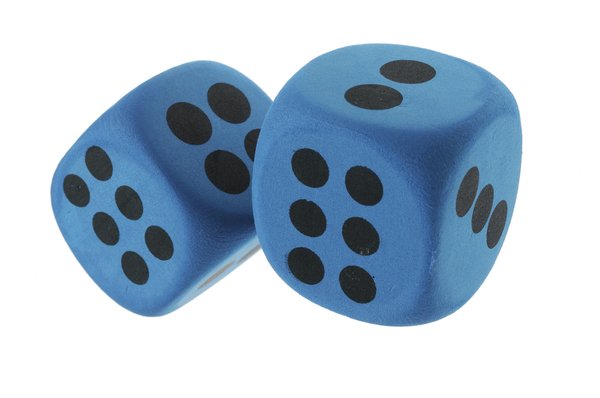
Players often feel that blowing on dice, picking their own lottery numbers, or squeezing cards impacts the outcome.
Coupled with this is the Gambler’s Fallacy, the mistaken belief that past independent events affect future probabilities.
Casinos exploit this by displaying history boards at roulette tables, encouraging pattern-seeking behavior.
These cognitive biases work together to convince players that they have a fighting chance against the house.
The Mental Mechanisms of Casino Play
- Dopamine Release: The thrill of anticipation and reward.
- Cognitive Distortion: Processing near-misses as minor victories.
- Illusion of Control: Believing you can influence random outcomes.
- Pattern Seeking: Believing past spins dictate future results.
- Social Validation: The communal excitement of a casino floor.
How Emotions Affect Gamblers
| Situation | Emotional Response | Typical Consequence |
|---|---|---|
| Winning Streak | High Dopamine, Excitement | Refusal to cash out |
| Near Miss | Frustration mixed with Hope | Continues playing heavily |
| Heavy Loss | Despair, Anger (Tilt) | Chases losses aggressively |
By recognizing how the brain responds to casino games, you can become a much safer and smarter gambler.
When you know that a near-miss is just a marketing trick, you are less likely to fall for it.
The goal is to enjoy the thrill and the dopamine rush responsibly, without letting it control your finances.
Pre-commitment strategies are the best way to counteract the intense emotional swings of a casino session.
Gamble with knowledge, maintain discipline, and treat the casino as a form of paid entertainment.